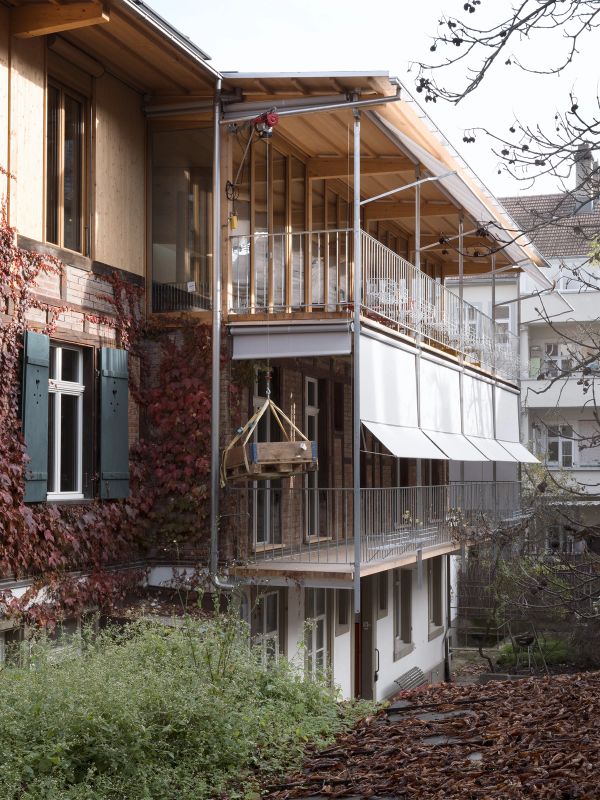
A House of Their Own: Collective Self-Build develops a participatory building process with the housing cooperative Wogeno Dach, grown from the ground up together with its future inhabitants. The project reactivates a local legacy of self-build experiments dating back to the 1980s, treating building not as a service delivered to the cooperative, but as a shared practice reclaimed by it. The research asks how a modular construction principle, built from regional materials, can empower future tenants as builders while becoming the source of a distinct architecture.
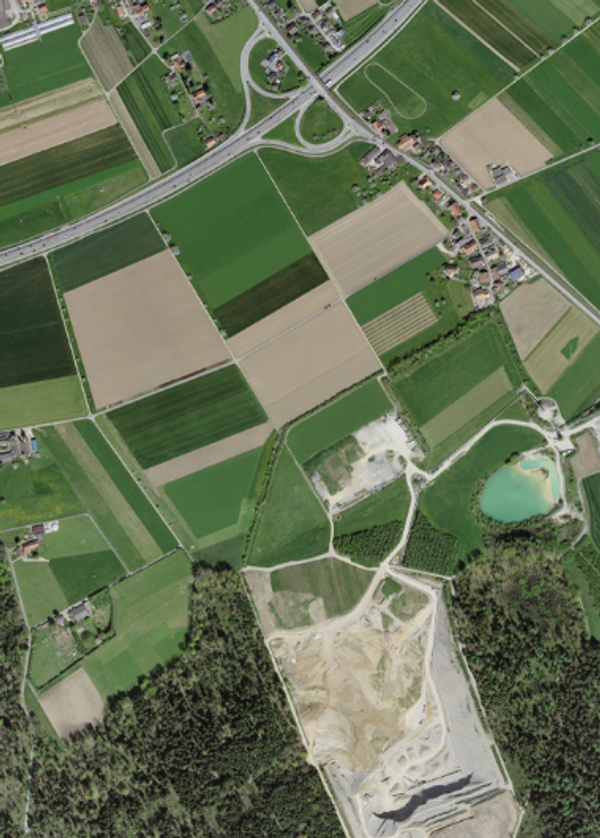
In Oensingen, the cooperative Wogeno Dach needs new apartments to accommodate its growing membership, but subsiding ground conditions on site require the full replacement of an existing building, rather than a mere extension, with limited means. To address these challenges, squadra.works proposes involving the tenants in the construction process and building with locally available materials: straw from surrounding agricultural waste, gravel from nearby pits, and limestone from the adjacent Jura mountain quarries.
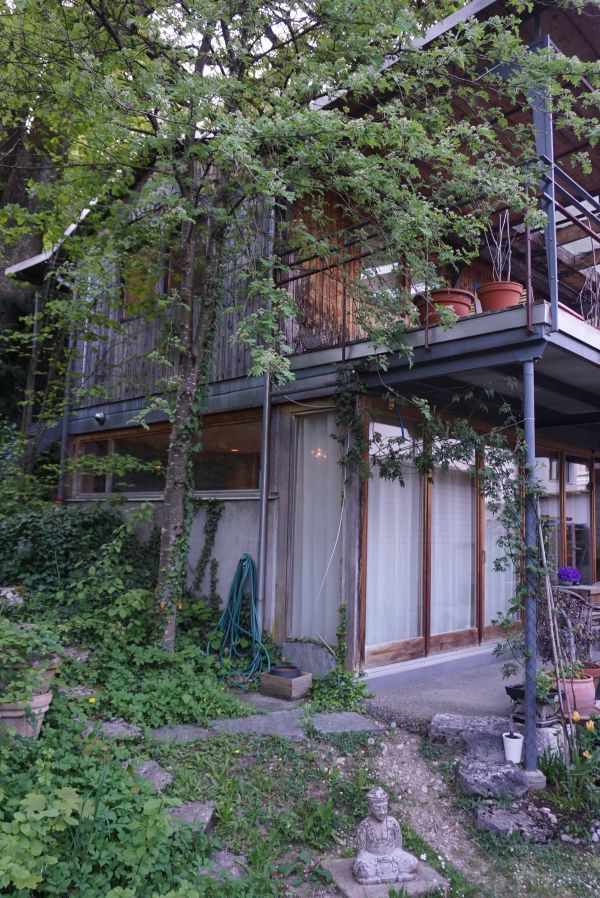
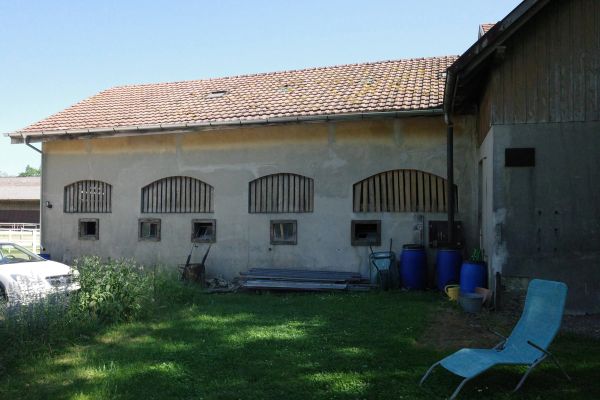
Parts of the existing housing stock of the Dach housing cooperative in Switzerland, shaped by a local tradition of self-built and collective housing, photo courtesy of squadra.works
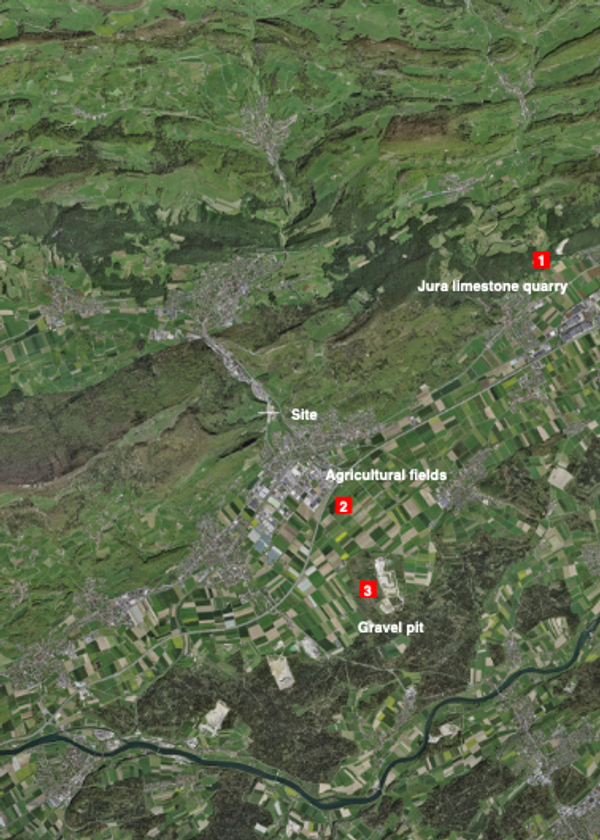
Orthophoto of the site surroundings, mapping existing building material resources, GoogleMaps, courtesy of squadra.works
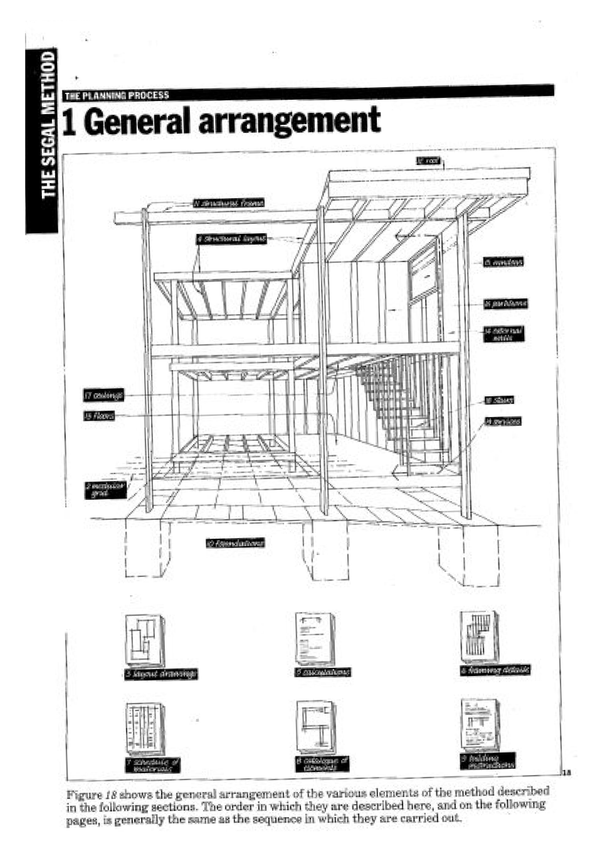
General arrangement of a construction system invented by Walter Segal, in “AJ: The Architects’ Journal, Special Issue, The Segal Method, 1986
squadra.works will begin by mapping locally available material sources and producers, establishing a network of collaborating actors. Through hands-on workshops with the cooperative, construction knowledge will be transferred directly to the future inhabitants, empowering those who will steward and maintain the building over the coming decades. From this work, the Fellows will develop a modular construction manual for non-professional builders, defining layouts, dimensions, joints, and material application specifically designed for buildability. The system is intended to generate an architecture of its own that emerges from this logic.
By refusing to separate planning from execution and inhabitation, the project challenges highly specialized construction practices that make reuse, transformation, and low-tech ecological approaches structurally difficult to realize.
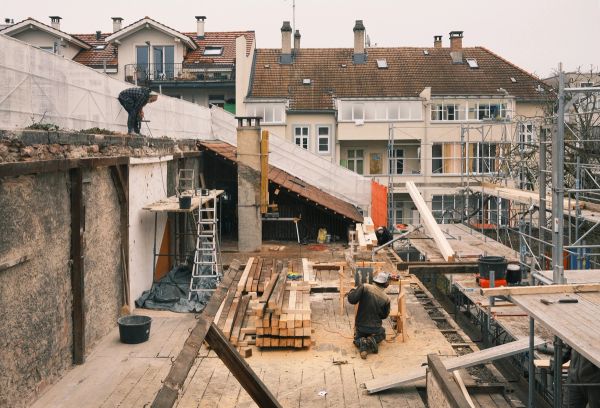
squadra as a collective construction practice, working hands-on and in close relation to the building site, photo courtesy of squadra.works
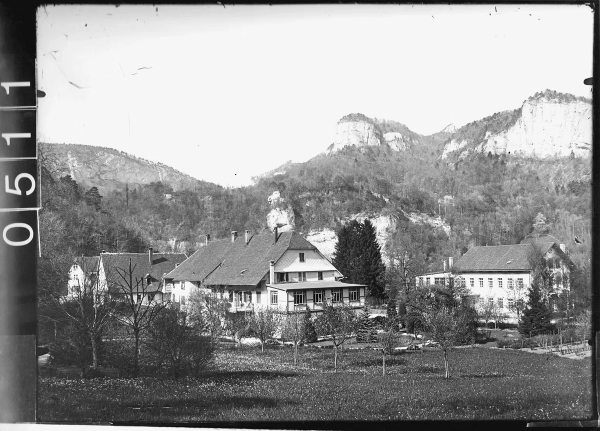
Historical photograph of the building ensemble belonging to the Dach housing cooperative, 1932, photo courtesy of Wogeno Dach
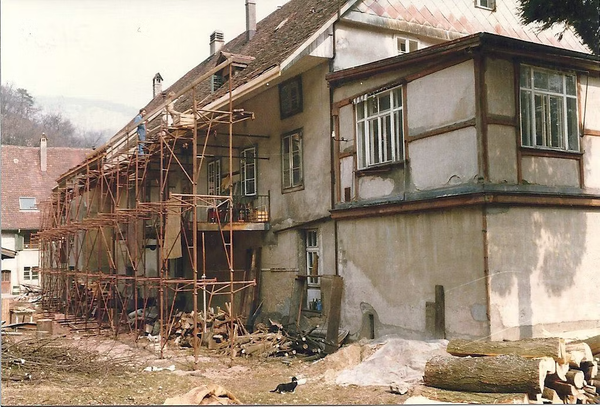
Scaffolding for the self-build construction of balconies and access extensions, 1984, photo courtesy of Wogeno Dach
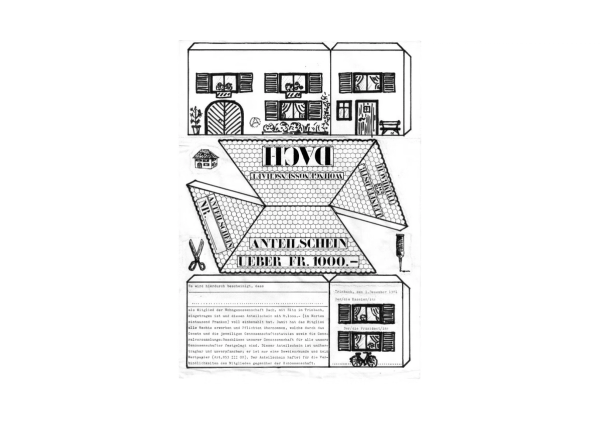
Historical membership share, photo courtesy of Wogeno Dach
Historical membership share, photo courtesy of Wogeno Dach
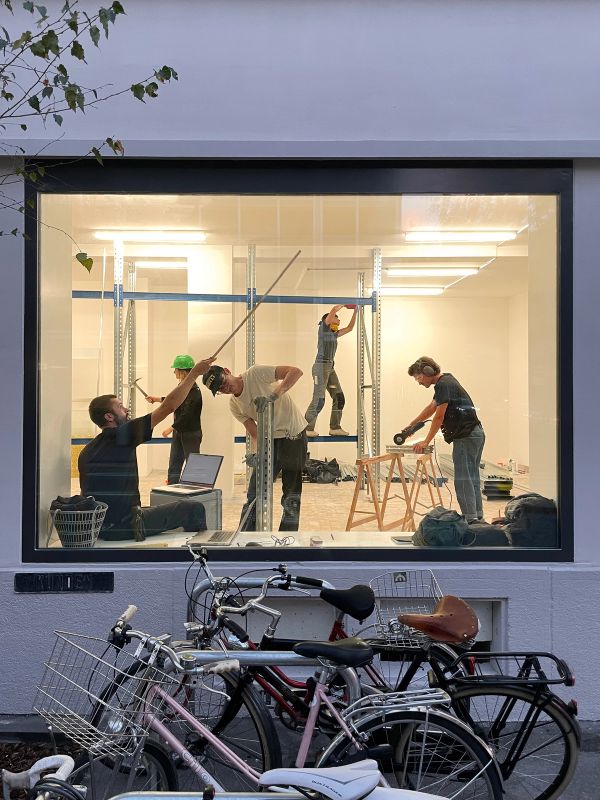 squadra.works