MISSION
Experimental Foundation transforms the built environment by supporting projects that rethink how—and with what—we build. Founded by Regine Leibinger in 2022, we advance climate-conscious architecture through practice-based Experimental Fellowships, empowering practitioners to develop regenerative approaches that drive structural change.
Why It Matters
We believe in climate-conscious and culturally transformative architecture. By providing practitioners with funding, dedicated support, and the freedom to pursue projects beyond the constraints of academia and commercial practice, we create space for unconventional ideas in regenerative architecture.
Experimental Fellowship
Our Fellowship is a practice-based research grant for practitioners and interdisciplinary teams looking to advance climate-conscious architecture. We provide fellows with financial support, time and space for research, a collaborative intellectual environment, and access to the expertise and resources of our Fellowship partners.

The Experimental Fellowship supports practice-based research for architectural projects that explore inventive, regenerative, low-carbon building solutions. Funding is provided for 9–12 months of investigative work, allowing participants to assess existing conditions and use the concept and design phase as a space for experimentation and innovation.
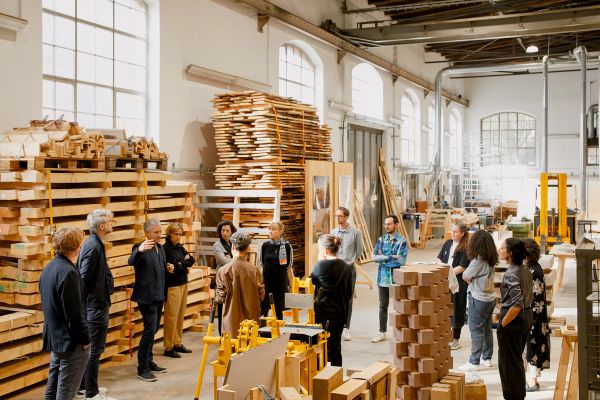
Along with financial support, the Experimental Fellowship provides Fellows with access to professional mentorship and local and global networks. Each Fellow is paired with a dedicated Program Manager, while industry experts and specialists help them to transform their research into actionable solutions and contribute to broader dialogues around new design and material processes.
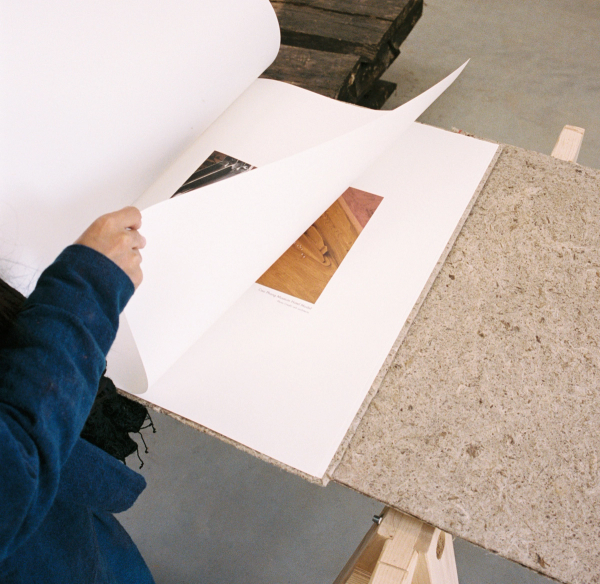
The Experimental Fellowship places equal emphasis on applied research and knowledge dissemination, with project reports published under a Creative Commons license. We amplify Fellows’ ideas through our media channels, presentation formats, and speaking opportunities, making practice-ready research available to wider audiences and supporting a more regenerative architecture of the future.