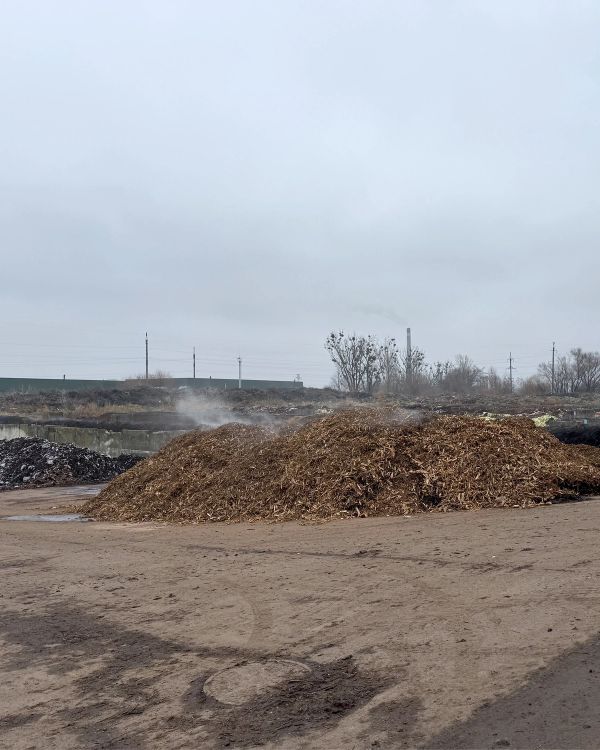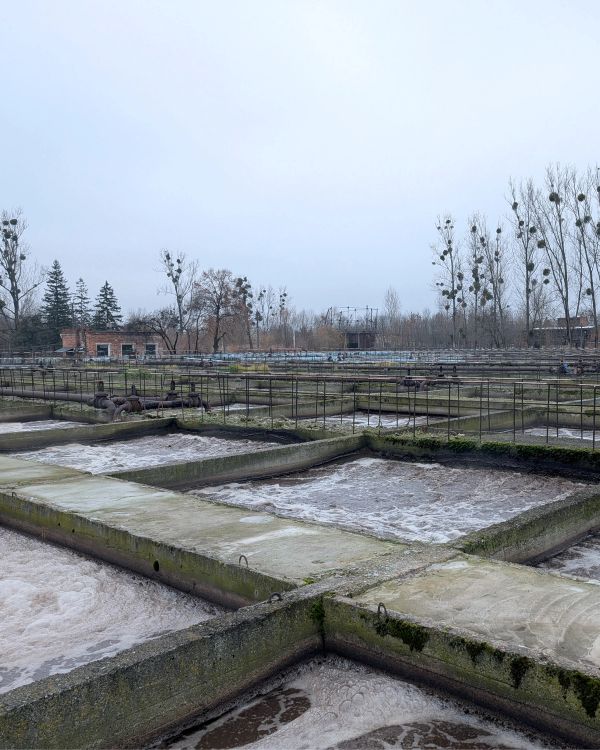
Grunt (Ukrainian for “earth”) investigates the potential of regenerative reconstruction using earth sourced from contaminated soil in conflict zones, with a focus on Ukraine. The project addresses war-induced environmental pollution, making its counteraction an integral part of reconstruction, and engaging architects in the effort. Central to Anna Pomazanna and Mykhailo Shevchenko’s research, is fostering multidisciplinary cooperation networks and developing guidelines that can be applied to other conflict zones worldwide.
Building on geological surveys and soil sampling, during their Experimental Fellowship with Bauhaus Earth, the Fellows developed strategies for working with contaminated materials. A key outcome was the construction of a pavilion in Lviv, the first in Ukraine built from compressed earth blocks, making sustainable building visible in the context of reconstruction. Pomazanna and Shevchenko are currently continuing their project, as the first independently supported fellowship at Experimental Foundation.
Since January 2026, Pomazanna and Shevchenko have focused on moving from research to applying their findings on polluted earthen materials in urban and post-industrial contexts. Central to this phase is the testing and potential advancement of their encapsulation strategy, which immobilizes heavy metals in contaminated soils using protective construction layers of uncontaminated building material.
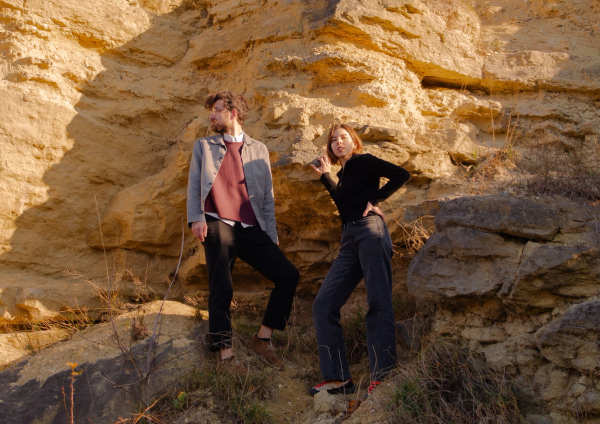
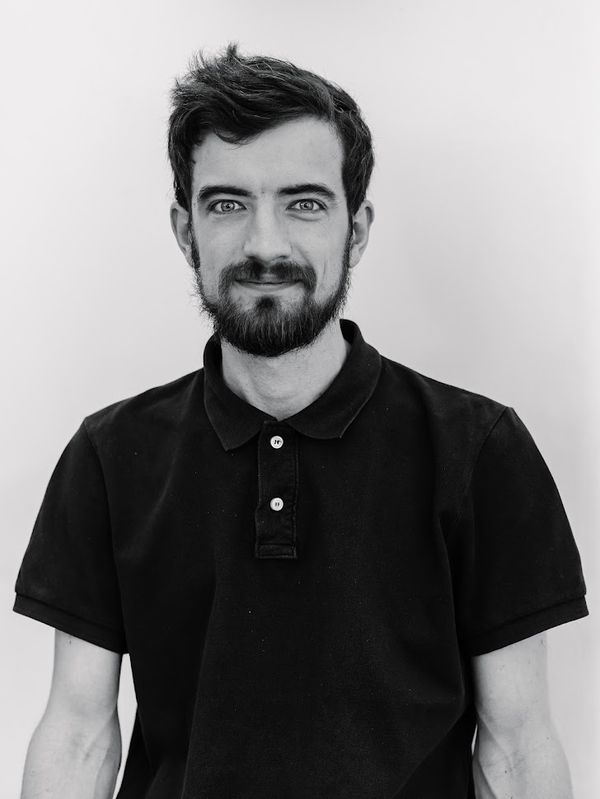
Anna Pomazanna and Mykhailo Shevchenko, photo by Zlatoslava Kryshtafovych
Working with polluted materials is a challenge not limited to Ukraine but shared across Europe and beyond. The modernist obsession with hygiene once imposed a rigid divide between “clean” human settlements and an externalized nature, relegated to receive and contain our waste. This logic reveals a systemic error: by displacing the most harmful substances, we consign them to the very soils that sustain us and the waters we drink. Soil, both as a living system and building material, becomes the central mediator between architecture and landscape, exposing the gap between the illusion of clean buildings and the reality of externalized pollution.
Grunt imagines a society that ceases to displace its toxic legacy and transforms pollution into an architectural substance that acts as a healing agent, safeguarding the landscape.
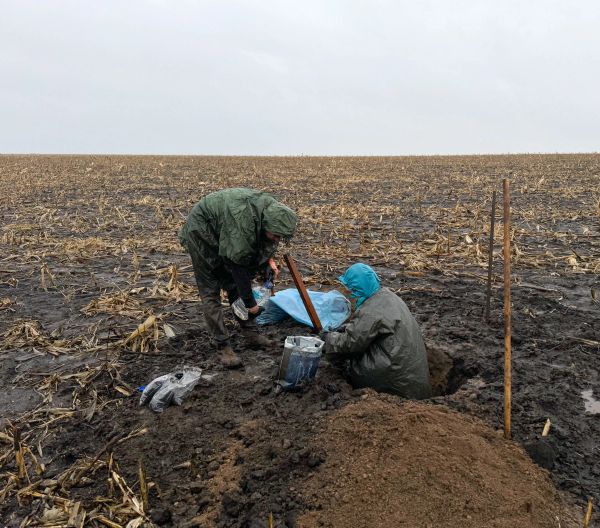
Soil sampling on territories affected by military activity, Kharkiv region, Ukraine, photo courtesy of materia.lab
Soil samples from the Kharkiv Oblast collected in November 2024 revealed high concentrations of heavy metals such as cadmium and arsenic. What began as an exploration of remediation strategies for earth-based construction quickly evolved into a deeper inquiry into the very definition of pollution: how it is framed, regulated, and socially managed. Legal thresholds classify contaminated soils as waste, sending them to landfills and putting hazardous substances precisely where they pose the greatest risk to the soils that sustain us and the water we drink. Grunt challenges this paradigm with a radical proposal: rather than reject pollution, what if architecture could “tame” it?
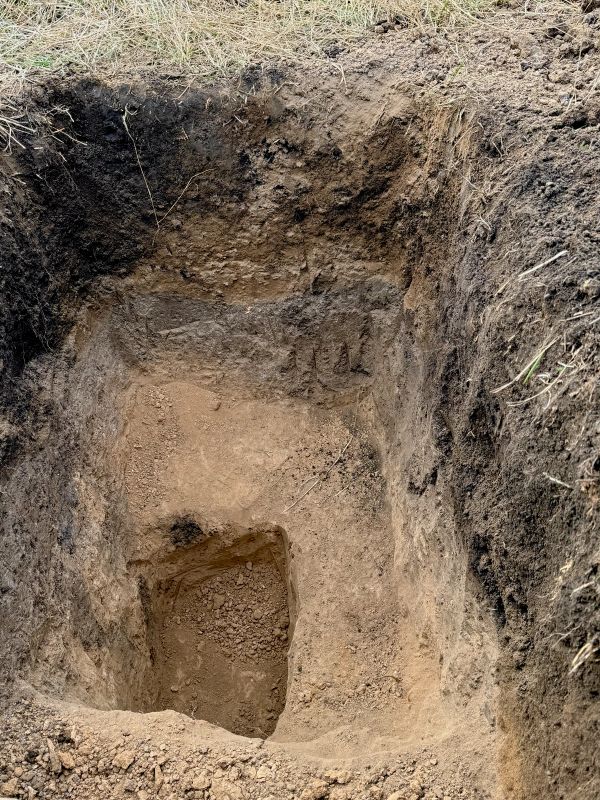
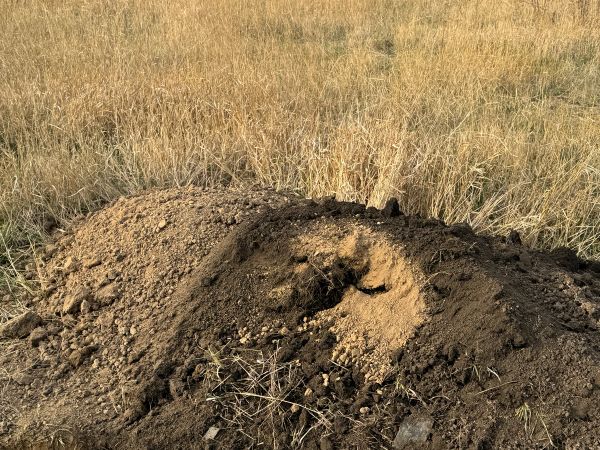
Field research near Fedorivka village, Kharkiv region, Ukraine, photo courtesy of materia.lab
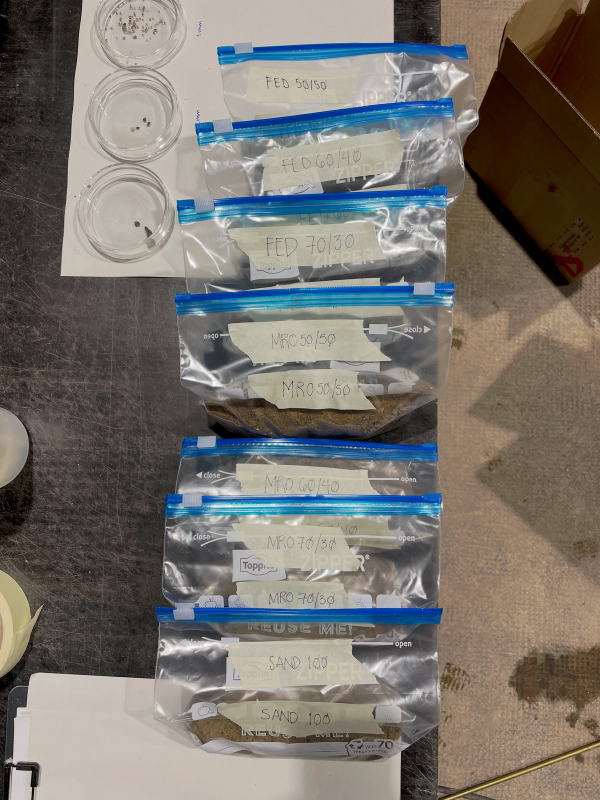
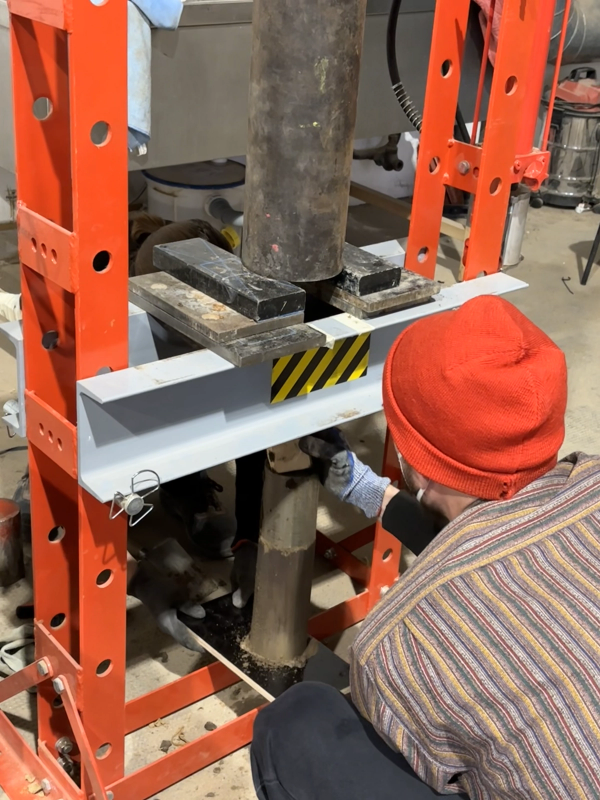
In researching pollution in the built environment, they quickly realized that despite its urgency, very few architects and researchers are prepared to confront it directly. Having the space to engage with this complexity was empowering: an opportunity to experiment, test approaches, and outline directions for long-term work. Collaborating on the project with Bauhaus Earth was an invaluable experience: the transfer of knowledge and skills from their team and the consistent support that carried them through each phase of the project. The fellowship also provided them with access to a network of experts and institutions that supported their research. They received valuable input from engineers at ZRS, BAM and others. This network of knowledge and expertise proved to be one of the most meaningful aspects of the fellowship.
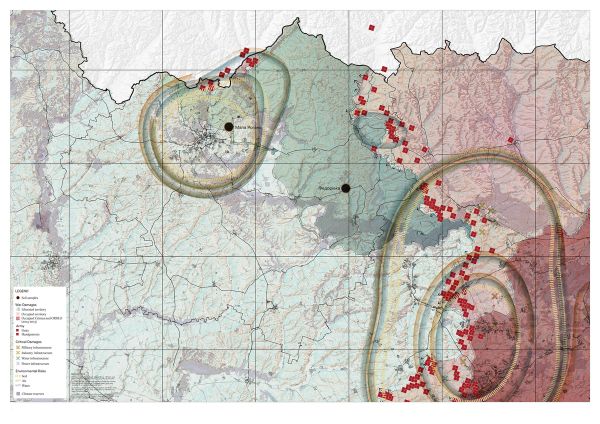
Map of soil sampling locations in relation to war damage, military infrastructure, and environmental risks in the wider region of Ukraine, photo courtesy of materia.lab
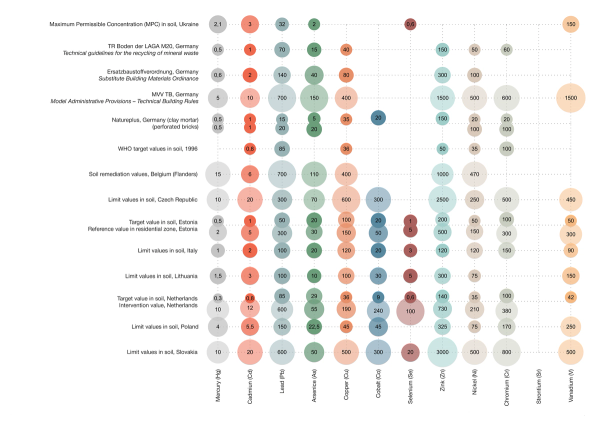
Comparison of soil contamination limits across European regulations and standards, courtesy of materia.lab
Grunt presented two different strategies: the Encapsulation Strategy focuses on designing and building elements that securely contain contaminated materials. A key example is a filter house prototype, encircled by a rain garden with a subsurface system that slowly filters contaminants from its exterior walls. In contrast, the Dilution Strategy blends polluted soil with cleaner secondary raw materials to balance structural integrity with safe contamination levels.
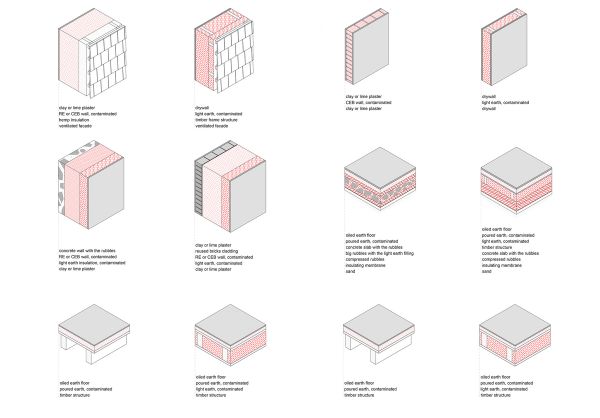
From contaminated soil to building systems through encapsulation, drawing by materia.lab
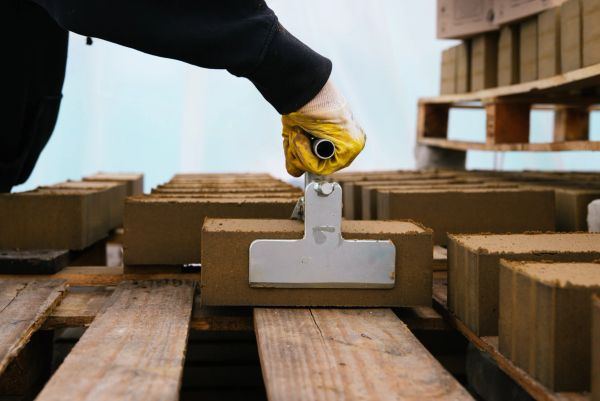
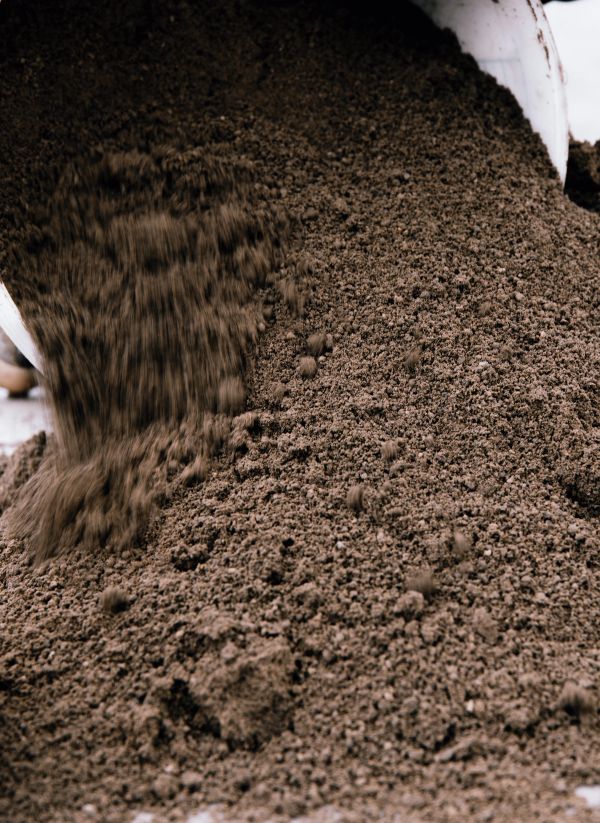
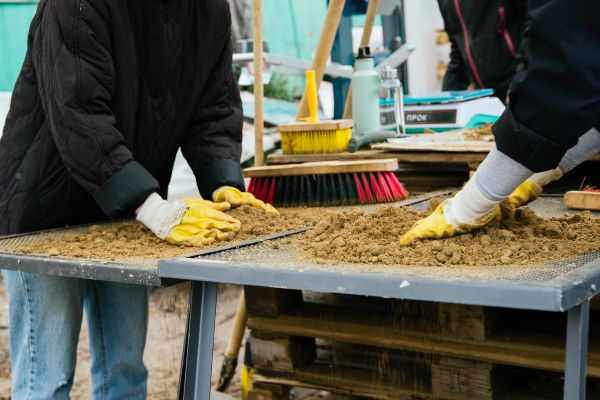
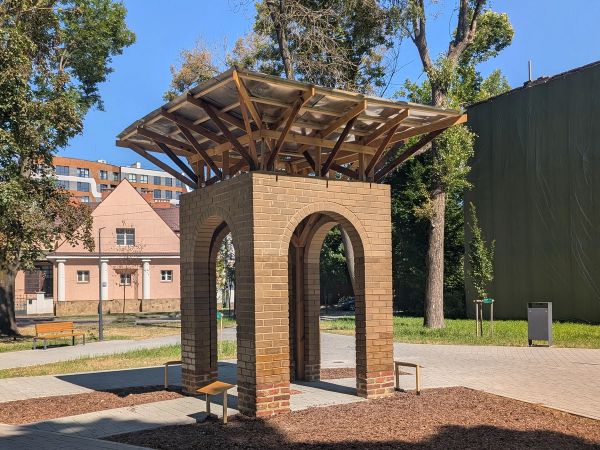
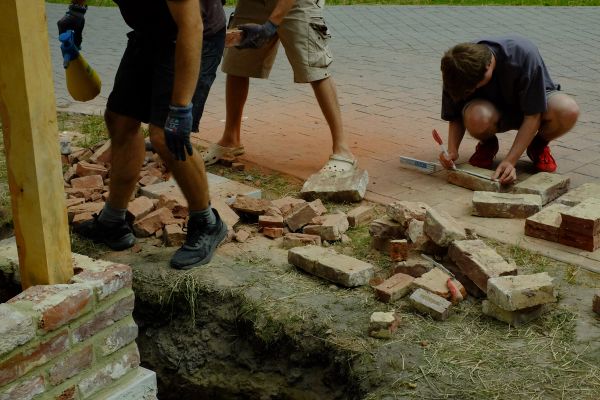
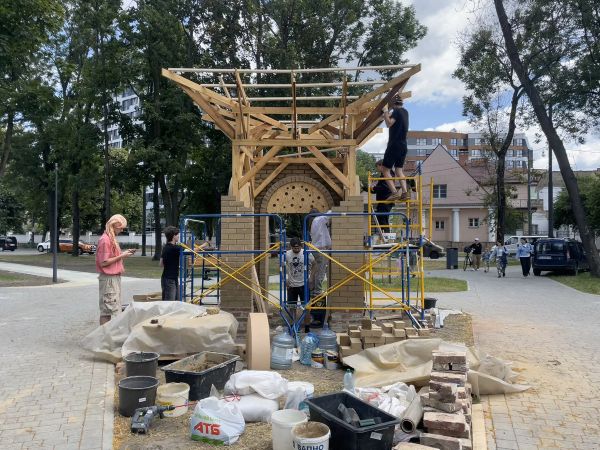
Their work ranged from addressing the global problem of contaminants in the construction sector to examining post-war pollution in Ukraine through direct engagement with material tests and built structures. A central part of this experimentation was the opportunity to realize an architectural prototype in Ukraine. With the support and openness of the Experimental Fellowship and the Bauhaus Earth team, they were able to take on this risky endeavour. In Lviv, they built a pavilion – the first structure in Ukraine constructed from compressed earth blocks. It demonstrates that earthen construction can be both a viable, sustainable alternative to conventional materials in Ukraine and a powerful symbolic act in a country defending its land and soil.
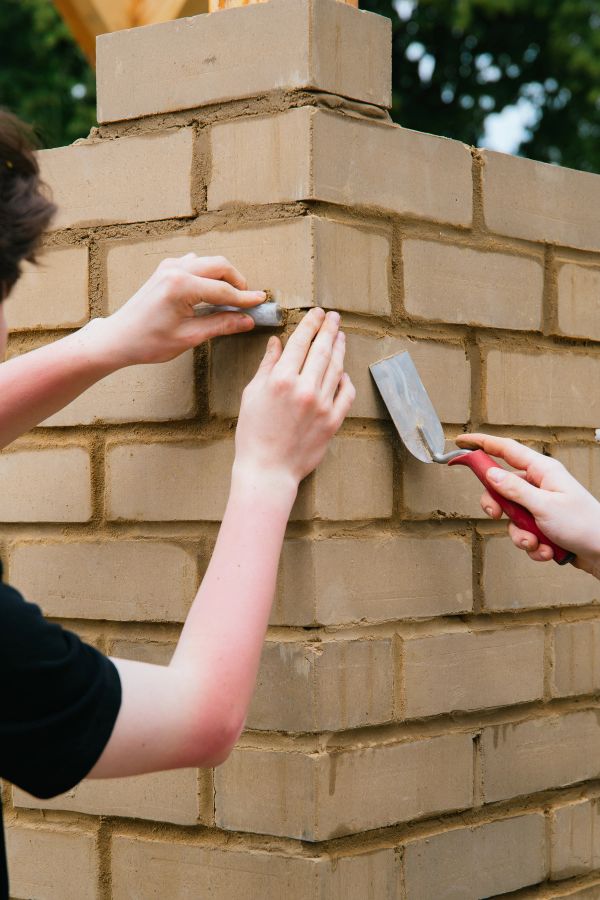
Memorial pavilion by Grunt in Lviv, built from locally sourced earth and reused components. Ukraine’s first structure made from compressed earth blocks, photo courtesy of materia.lab
Looking ahead, the urgency of this research is clear. They see strong potential in further developing the encapsulation strategy, which transforms soils otherwise designated as hazardous waste into safe building materials. This will require establishing protocols to evaluate long-term leachate release and dust resistance in encapsulated earth units. Creating “living lab” pilot facilities under controlled yet realistic conditions will be crucial for testing performance, refining life-cycle assessments, and informing policy across technical, environmental, and health dimensions.
For the second part, the fellows are in discussions with the Lviv City Council to integrate encapsulated earthen construction elements into the planned International Training Center at the Lviv Eco Hub Plastova. This collaboration will guide the design of construction details and subsequent material testing for real-world application.
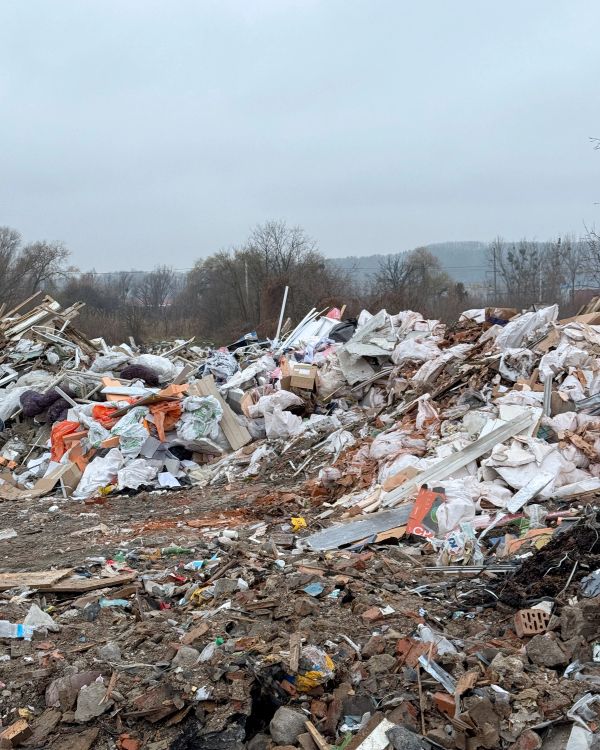
Lviv Eco Hub Plastova, photo credit: materia.lab