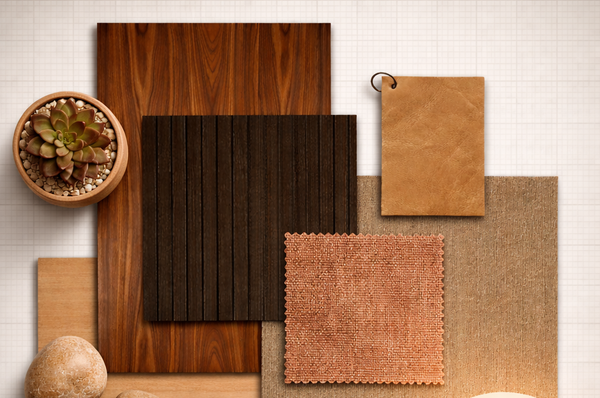
For the Experimental Postdoctoral Fellowship at Harvard Graduate School of Design, Juan Pablo Ugarte is conducting research into how workspaces that include wood and other natural materials can alleviate stress and promote wellness.
The Experimental Postdoctoral Fellowship at Harvard Graduate School of Design supports practice-oriented researchers working with the GSD’s Laboratory for Design Technologies (LDT), in a year-long Fellowship with a thematic focus on health, wellness, and sustainable material systems for buildings, landscapes, and cities. The collaboration connects academic research with practical application, particularly with regard to the use of regenerative materials and innovative construction methods for real-world implementation.
Ugarte’s research investigates how interior finishing materials influence prosocial behavior, focusing specifically on how the perceived “warmth” of a space affects altruism and moral decision-making. Drawing on psychophysiology, environmental psychology and the Stimulus–Organism–Response (S–O–R) framework, the study examined how environmental stimuli like material finishes shape internal psychological and physiological states, which in turn influence behavior.
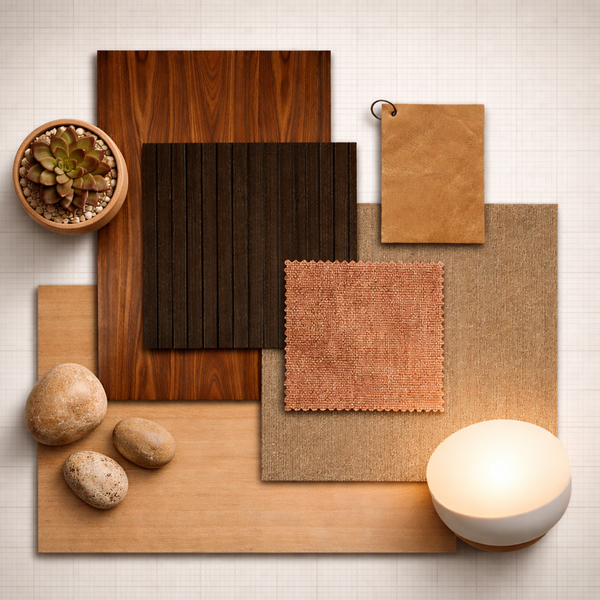
Warm mood board, visualization courtesy of Juan Pablo Ugarte
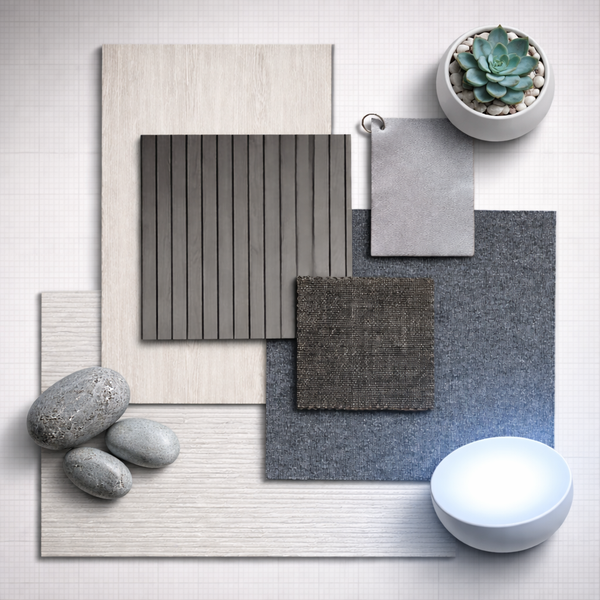
Cold mood board, visualization courtesy of Juan Pablo Ugarte
The experimental design compares two controlled environments that differ only in their material composition: a “warm” room (featuring wood and warm-toned finishes) and a “cold” room (featuring gray, hard materials such as tile or metal). Participants experienced both conditions across two sessions, allowing the study to isolate the effect of perceived material warmth while controlling for individual differences. The study hypothesized that environments perceived as “warmer” would promote higher levels of prosocial behavior. Specifically, participants in the warm condition were expected to exhibit greater generosity and more altruistic moral judgments compared to the cold condition.
This research contributes to a growing body of evidence showing that subtle design features can meaningfully influence human behavior. By focusing on materiality —a core element of architectural practice— the study aims to provide actionable insights for designers and stakeholders. Understanding how interior environments shape emotional and behavioral responses could inform the design of spaces that support well-being, cooperation, and positive social interaction.
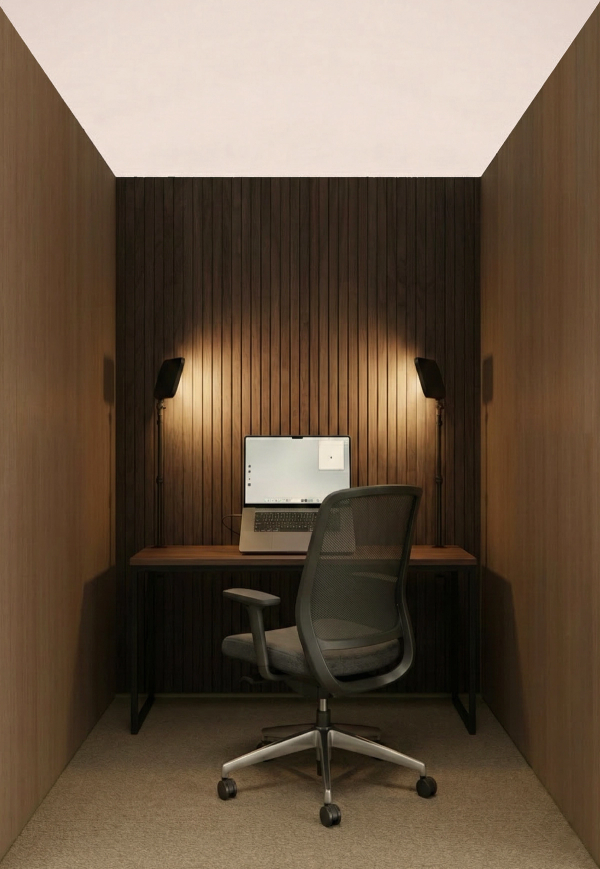
Warm interior, visualization courtesy of Juan Pablo Ugarte
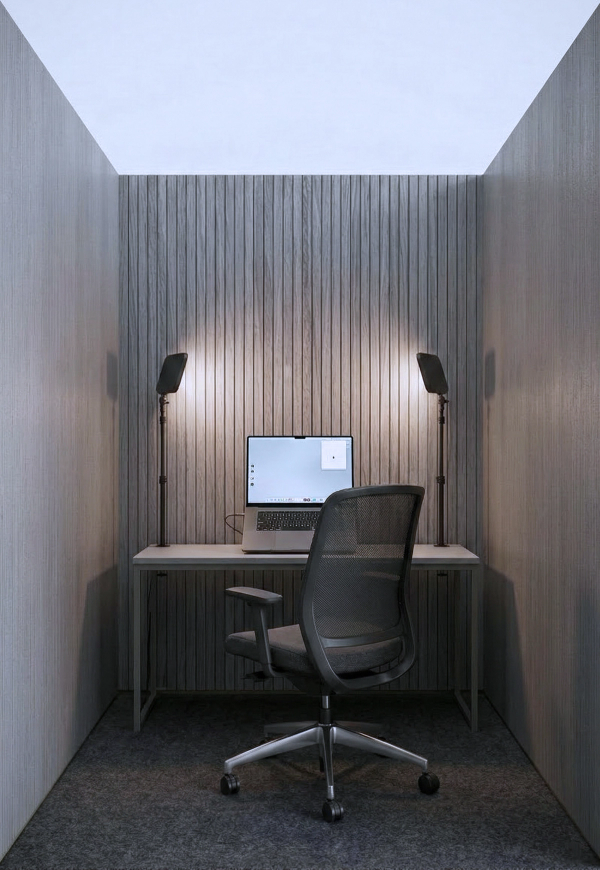
Cold interior, visualization courtesy of Juan Pablo Ugarte
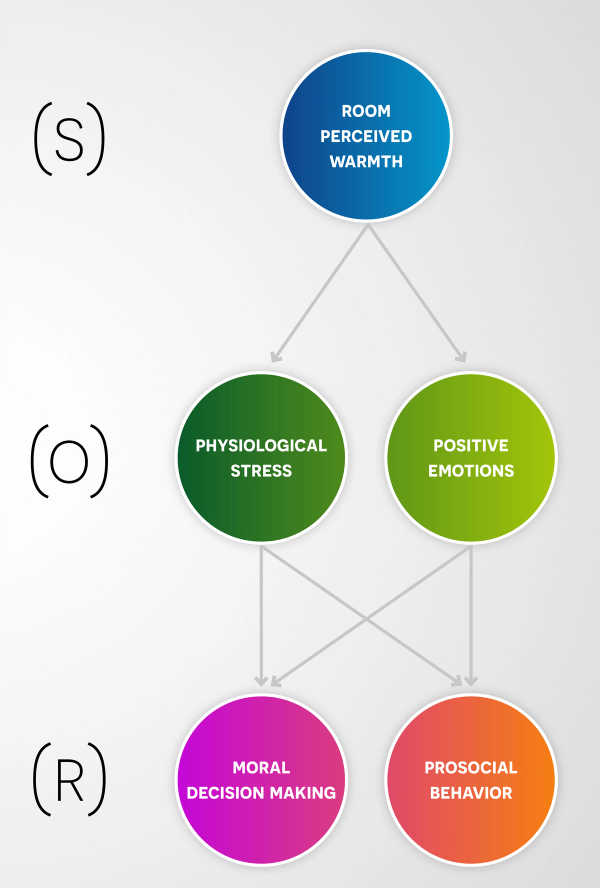
Theoretical model, courtesy of Juan Pablo Ugarte
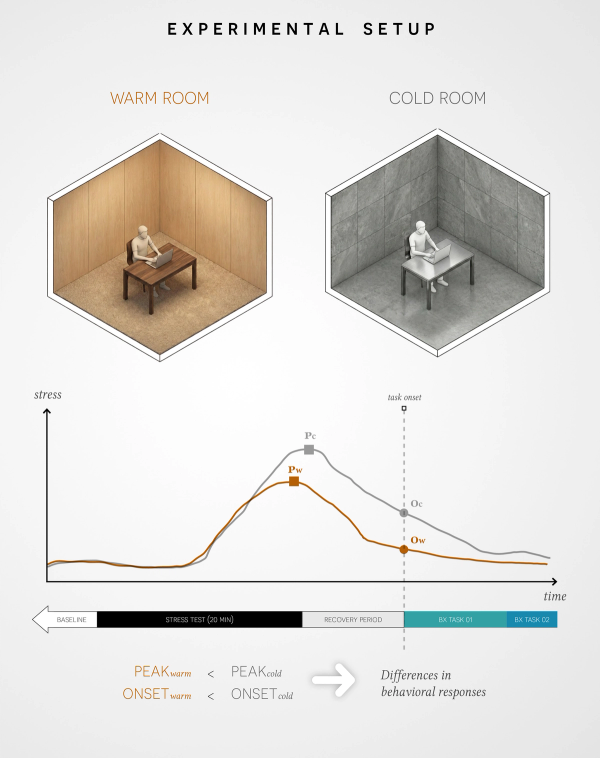
Experimental setup, courtesy of Juan Pablo Ugarte
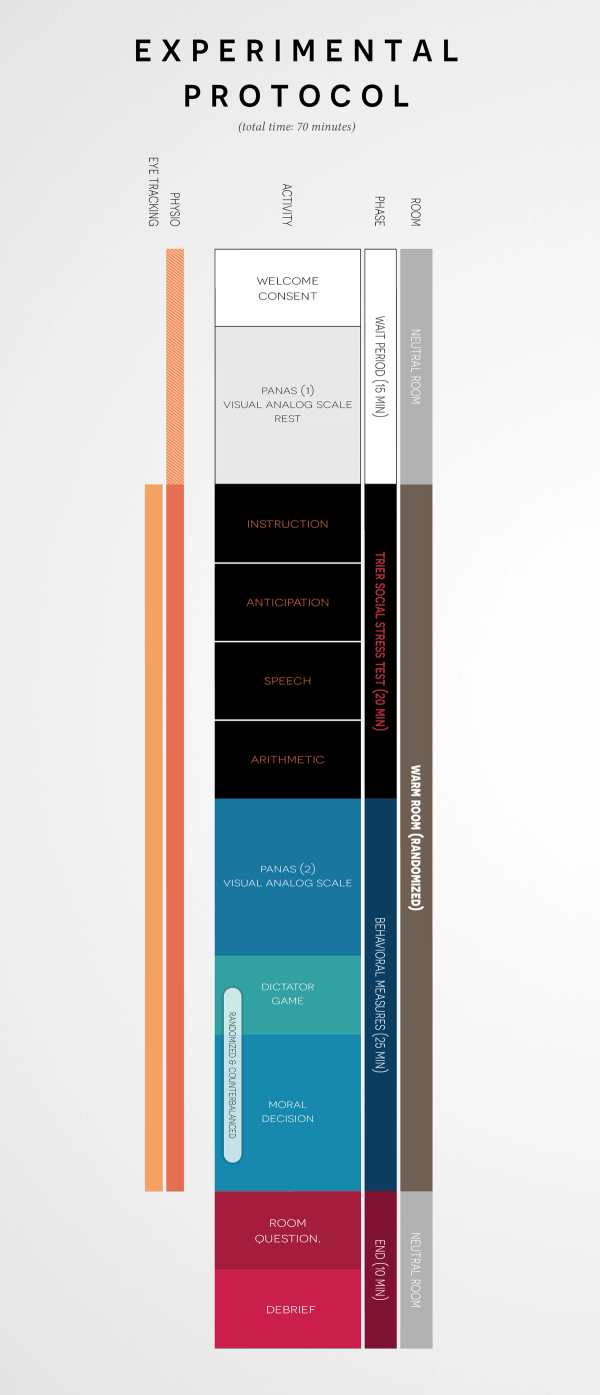
Experimental protocol, courtesy of Juan Pablo Ugarte